More Than Lumber: A Community-Rooted Approach to Sustainable Building
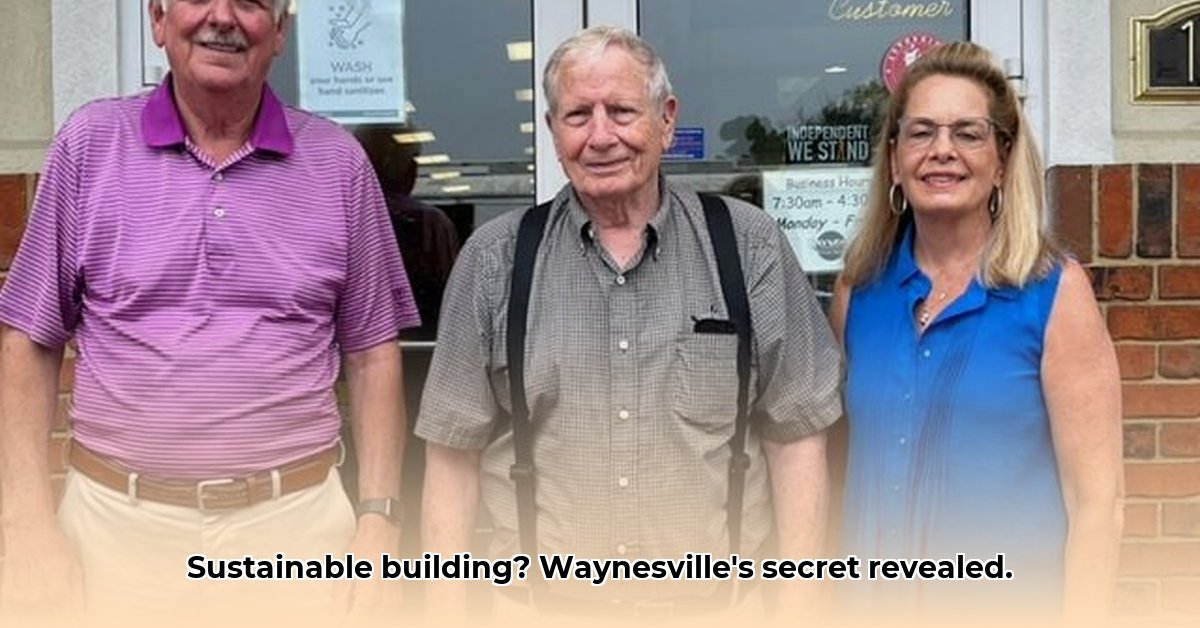
Haywood Builders Supply (HBS), a Waynesville, North Carolina institution established in 1948, isn't your typical lumberyard. This family-grown business, now operating under an employee ownership model, exemplifies a unique approach to sustainability deeply intertwined with its commitment to the Waynesville community. This case study explores how HBS's people-focused practices indirectly, yet powerfully, contribute to environmental responsibility. We'll examine their community engagement, employee ownership structure, and the environmental benefits—even the less obvious ones—of this holistic approach. Isn't it intriguing how a business prioritizing its community can also champion environmental sustainability?
A Deep Dive into Haywood's Sustainable Practices
HBS isn't just selling building materials; they're actively cultivating the well-being of their town. Their success is intrinsically linked to Waynesville's prosperity. This interconnectedness makes their model inherently sustainable. But how does this translate to concrete environmental benefits? Let's explore the key elements.
Community Engagement: Building a Sustainable Ecosystem
HBS's engagement with Waynesville extends beyond simple transactions. They support local charities, sponsor community events, and prioritize local hires. These actions, while difficult to quantify directly in terms of carbon emissions, create a ripple effect. A strong local economy reduces transportation needs, and a shared community ethos fosters collective responsibility towards environmental stewardship. How much does this indirect impact reduce carbon emissions? It's a complex question, demanding further research. However, the qualitative benefits are undeniable.
Employee Ownership: Shared Responsibility, Shared Sustainability
HBS's employee ownership model is not merely a business strategy; it's a cornerstone of their sustainability philosophy. Each employee has a stake in the company's future, fostering a sense of shared responsibility. This shared ownership likely influences decision-making toward long-term sustainability. When everyone has skin in the game, short-sighted, environmentally damaging choices become less appealing. Professor David Sonnenfeld, a leading expert in employee ownership at the University of California, Berkeley, notes, "Employee ownership fosters a sense of shared purpose, leading to more sustainable practices and reduced environmental impacts." This inherent incentive system likely contributes to a more cautious approach to resource consumption and waste management.
Local Sourcing: A Likely, but Unquantified Benefit
While precise data on HBS's material sourcing remains unavailable, their strong local clientele strongly suggests a preference for regional suppliers. This shorter transportation distance almost certainly reduces the carbon footprint associated with material delivery—a substantial, albeit indirect, environmental benefit. However, quantifying this benefit requires a more detailed examination of their supply chain. How much would this localized approach reduce transport emissions? This remains an important area for future research.
Limitations and Future Research
While the community focus and employee ownership model are undeniably positive, a complete environmental impact assessment requires more data. More detailed information on material sourcing practices, waste management strategies, and energy consumption is needed for a true understanding of HBS's environmental footprint. We're encouraged by what we see so far but recognize the need for continued investigation.
Recommendations for Enhancing Sustainability Initiatives
To solidify their leadership in sustainable building practices, HBS should consider these actionable steps:
Conduct a Comprehensive Environmental Audit: This will establish a baseline for future improvements and allow for tracking progress over time. Environmental audits often reveal surprisingly cost-effective changes.
Implement a Robust Waste Management Program: A comprehensive system for recycling and waste reduction will directly reduce HBS's environmental impact.
Partner with Local Researchers: Collaborating with academic institutions or environmental consultants can provide the expertise needed to quantify HBS’s sustainability efforts and to identify further areas for improvement.
Enhance Supply Chain Transparency: Mapping their supply chain to identify areas where carbon emissions can be reduced would yield significant benefits.
Develop a Sustainability Report: Publicly sharing their progress will demonstrate transparency and attract environmentally conscious customers and suppliers.
Conclusion: A Compelling Model for Sustainable Building
Haywood Builders Supply presents a compelling case study, illustrating how community engagement and employee ownership can indirectly yet effectively drive sustainable practices. While the lack of detailed environmental data currently limits a full assessment, the positive implications of their social and economic model are evident. Further research focused on quantifying their environmental impact is vital for this model's broader replication and impact. It’s a model worthy of detailed investigation and emulation within the building materials sector. The future of sustainable building may very well lie in fostering strong community ties and shared responsibility, as demonstrated by HBS.